

Plumbing Insurance Claims in Arvada, CO
Short answer: Most Colorado homeowners policies cover sudden and accidental water damage, like a pipe that bursts in a freeze. They usually do not cover slow leaks, wear and tear, or sewer backups unless you added a sewer backup endorsement. The repair to the pipe itself is often not covered, but the water damage it caused may be.
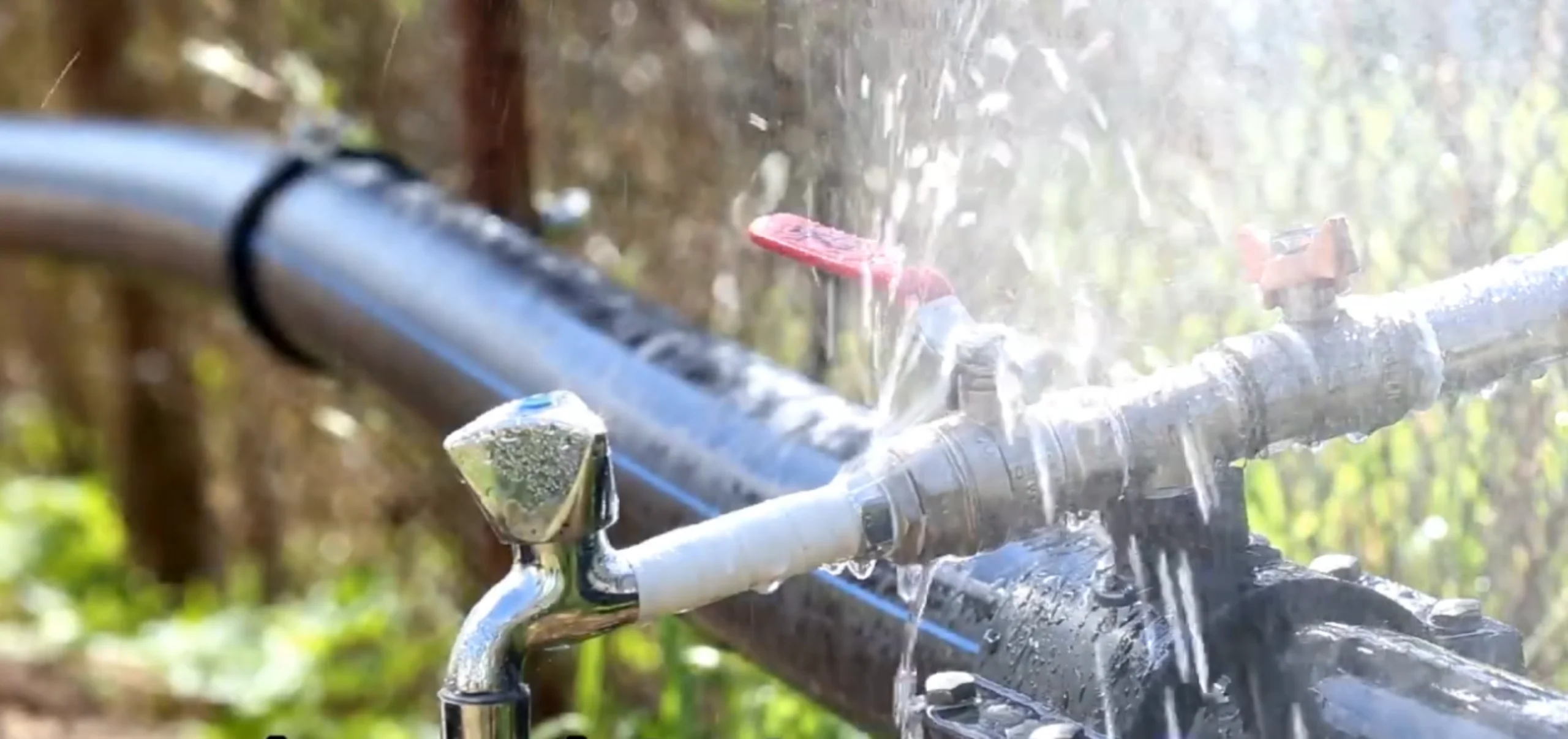
What homeowners insurance usually covers (and what it doesn’t)
Every policy is different, so your declarations page and policy wording always win. But most standard Colorado homeowners policies follow the same pattern. Here is how the common Arvada plumbing problems usually line up.
| Plumbing problem | Usually covered? | Why |
|---|---|---|
| Pipe bursts during a cold snap | Often yes (the water damage) | Sudden and accidental. Some policies exclude freeze damage in a home left unheated |
| Water heater tank ruptures | Often yes (the water damage) | Sudden failure. The old heater itself is usually not replaced by insurance |
| Slow leak under a sink or behind a wall | Usually no | Insurers treat it as gradual damage or lack of maintenance |
| Sewer or floor drain backs up | Only with an endorsement | Standard policies exclude backups. A sewer backup rider adds limited coverage |
| Sump pump fails, basement floods | Only with an endorsement | Usually bundled with sewer backup coverage, often with a lower limit |
| Cracked or root-filled sewer line | Usually no | Wear, tree roots and soil movement are common exclusions |
| Water service line breaks in the yard | Only with service line coverage | Some insurers sell a separate service line endorsement |
Notice the pattern: insurance usually pays for the damage the water caused, not for fixing the pipe that failed. That is why your plumber’s invoice matters. It shows what broke, why, and when.
Why Arvada homes see so many water claims
- Freeze-thaw swings. A mild afternoon followed by a hard overnight freeze splits pipes in exterior walls, crawlspaces and garages. See the winter plumbing checklist.
- Older sewer lines. Clay and cast-iron pipe in south Arvada, plus expansive clay soil, lead to backups that a standard policy does not cover.
- Finished basements. A backup or sump failure in a finished basement is a big mess, which is why the sewer backup endorsement is worth asking about.
- Vacant homes and rentals. Many policies limit freeze coverage if the heat was off or the home was empty. See plumbing for Arvada rentals.
What to do in the first hour
- Stop the water. Shut off the main valve. In most Arvada homes it is in the basement or crawlspace where the line enters the foundation. See how to find your main shut-off.
- Make it safe. Turn off power to wet areas and kill power or gas to a leaking water heater.
- Photograph everything before cleanup. The failed pipe, the water, the ceiling, the floor, and anything damaged. Take wide shots and close-ups.
- Prevent more damage. Most policies expect you to take reasonable steps, like moving belongings and starting dry-out. Keep receipts.
- Call your insurer or agent to open the claim and ask about your deductible and any water damage limits.
- Keep the failed part. A split pipe section or failed supply line is evidence. Ask your plumber to save it.
What your plumber’s paperwork should include
A clear invoice helps an adjuster understand the claim quickly. On insurance-related jobs, ask the plumber for:
- The date and time of the call and the repair
- The cause found, in plain words (for example, “supply line in exterior garage wall froze and split”)
- Photos of the failure before and after repair
- An itemized invoice with parts and labor listed separately
- Camera footage on sewer jobs, so the adjuster can see the line
Questions to ask your insurance agent before winter
- Do I have sewer and drain backup coverage? What is the limit?
- Is sump pump failure covered?
- Do I have water service line or sewer line coverage?
- Are there freeze exclusions if I am away or the home is vacant?
- What is my deductible for water damage?
In Colorado you can ask your insurer for a complete copy of your policy, which makes these answers easier to check. Asking now is easy. Finding out after a backup is too late.
Repairs insurance won’t cover
When a claim is denied for wear and tear, you still have options. For sewer lines, a camera inspection shows whether a spot repair can solve it. See also who is responsible for which part of the sewer line.
Water on the floor right now? Shut off the main, take photos, then call. Ask the plumber to document the repair for your claim.
Plumbing Insurance FAQs
Does homeowners insurance cover a burst pipe in Colorado?
Usually the water damage from a sudden burst is covered, subject to your deductible. Repairing the pipe itself is often not covered, and some policies exclude freeze damage in homes left unheated.
Is sewer backup covered by homeowners insurance?
Not under most standard policies. You need a sewer and drain backup endorsement, which usually has its own, lower limit.
Does insurance pay to replace my sewer line?
Usually not. Cracks, roots and soil movement are treated as wear and tear. Some insurers sell a service line endorsement that can help.
Will a slow leak be covered?
Usually not. Insurers see gradual leaks as a maintenance issue. That is why fixing small leaks early matters.
Can a plumber give me paperwork for my claim?
Ask for photos, the cause that was found, and an itemized invoice. On sewer jobs, ask for the camera footage too.